
Karachi is one of Pakistan’s largest and busiest cities, but it is also facing serious environmental challenges. Rising temperatures, air pollution, shrinking green spaces, urban heat, traffic emissions, and rapid construction have made environmental protection an urgent need for the city. In this situation, tree plantation campaigns are not only symbolic activities; they are practical steps toward building a cleaner, healthier, and more climate-resilient Karachi.
On the joyful occasion of 14th August, Pakistan’s Independence Day, Pakistan Medico International Social Welfare Association (PMISWA) organized an environmental plantation campaign in Karachi to promote greenery, public awareness, and community responsibility. The campaign was carried out in different locations of Karachi, including Defence, PECHS, and Gulshan, where more than 500 plants and trees were planted.
This initiative reflected PMISWA’s belief that serving Pakistan is not limited to healthcare, education, food relief, and social welfare. Protecting the environment is also a form of public service because a cleaner environment directly supports better health, safer communities, and a stronger future.
Why Plantation Campaigns Matter in Karachi
Karachi needs more green spaces. A 2025 Aga Khan University report, based on AI and satellite imagery, highlighted a critical shortage of green spaces in Karachi and warned that this shortage increases climate and public health risks, including the urban heat island effect and air pollution. The report also noted that low-income communities are often more affected by environmental inequality.
This means plantation drives can play an important role in Karachi’s future. Trees help provide shade, reduce heat, improve air quality, support biodiversity, and create a healthier environment for families. Urban plantation also helps communities understand that environmental protection is not only the responsibility of the government; it is a shared duty of citizens, NGOs, schools, businesses, and local communities.
Pakistan’s Ministry of Climate Change and Environmental Coordination has also emphasized that increasing tree cover helps reduce urban temperatures, lower air pollution, and improve the livability of cities. In 2026, the ministry announced weekly tree plantation activities as part of its climate and environmental response.
PMISWA’s 14th August Environmental Plantation Campaign
PMISWA’s plantation campaign was organized with the spirit of Independence Day. The purpose was to celebrate Pakistan not only with flags and slogans, but also with action that benefits the country’s future generations.
During the campaign, PMISWA volunteers, children, elders, community members, and supporters participated actively. More than 500 plants and trees were planted across different areas of Karachi, including Defence, PECHS, and Gulshan. The campaign encouraged people to take part in environmental protection and understand the value of planting and caring for trees.
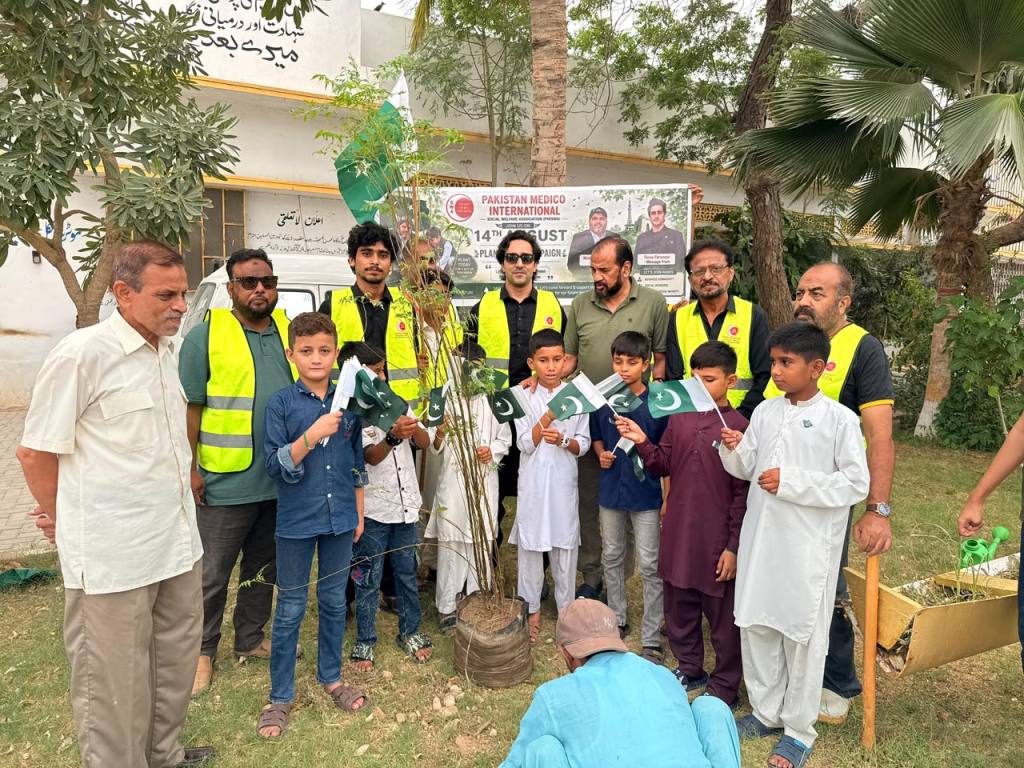
Children participated with enthusiasm, which made the campaign even more meaningful. When children are involved in plantation activities, they learn responsibility, love for nature, and the importance of protecting their surroundings from an early age. Adults also contributed their time and energy, showing that environmental awareness becomes stronger when the whole community takes part.
Environmental Awareness Along with Plantation
PMISWA’s campaign was not limited to planting trees. Along with plantation, people were also educated about the importance of the environment, cleanliness, greenery, and long-term care of plants.
This awareness is very important because plantation campaigns only become successful when plants are protected after being planted. A tree needs water, care, space, and community ownership. PMISWA’s message was clear: planting a tree is the first step, but protecting it is the real responsibility.
Environmental awareness campaigns help people understand how everyday actions affect the city. Waste disposal, plastic use, air pollution, lack of greenery, and careless urban habits all contribute to environmental damage. By educating people during the campaign, PMISWA helped promote a responsible community mindset.
A Strong Message from Faraz Farooqui
A special highlight of this campaign was the participation of famous TV and film actor Faraz Farooqui. His presence brought public attention to the campaign and helped strengthen the message of environmental responsibility.
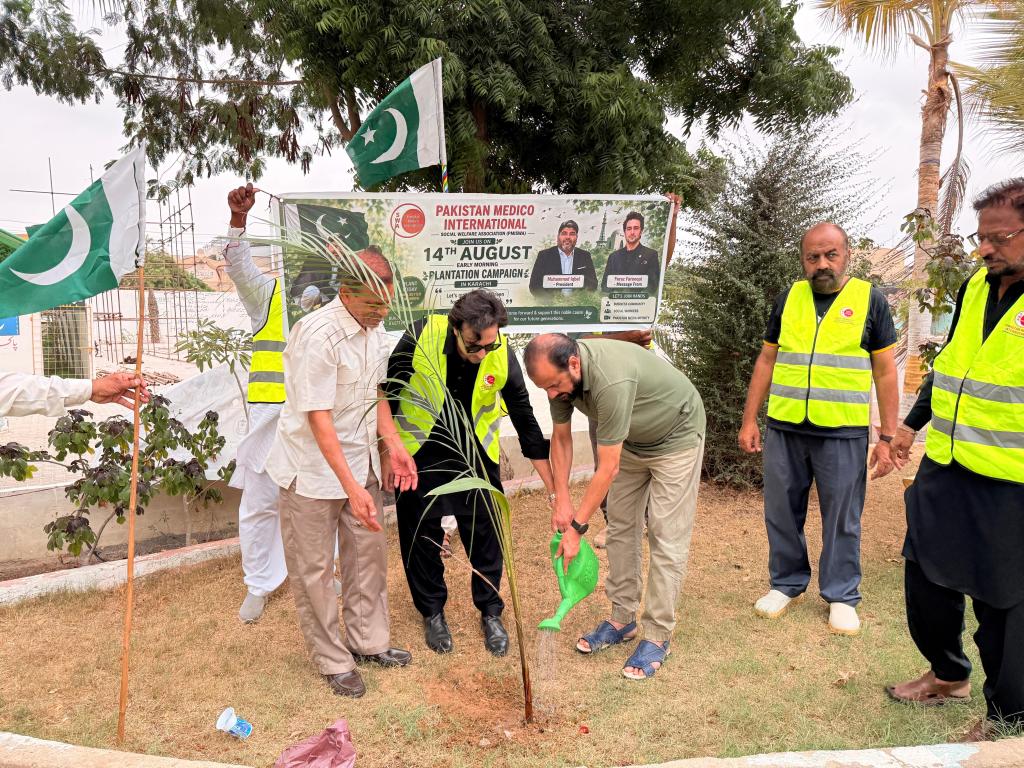
Faraz Farooqui appreciated the positive work of PMISWA and praised the efforts of PMISWA President Muhammad Iqbal and his team. While participating in the campaign, he encouraged people to support such welfare and environmental initiatives. His public service message reflected the importance of celebrities, public figures, and media personalities using their platform for social good.
When known personalities take part in environmental campaigns, the message reaches more people. It encourages citizens to think beyond personal benefit and become part of community service.
Current Environmental Efforts in Karachi and Sindh
PMISWA’s campaign is part of a larger environmental need across Karachi and Sindh. In 2026, the Sindh Environmental Protection Agency launched plantation drives, environmental awareness campaigns, seminars, webinars, and emission-control activities across Karachi and Sindh on World Earth Day.
The Sindh Forest Department also reported plantation drives and awareness activities during the Spring Tree Plantation Campaign 2026, including plantation work in Karachi at Korangi Industrial Area Road and near Drigh Road Railway Line.
Karachi Metropolitan Corporation has also been moving forward with urban plantation efforts. In 2026, Karachi’s mayor launched an urban forest project along Shahrah-e-Bhutto with a plan to plant 100,000 saplings, including species suitable for Karachi’s climate such as neem and gulmohar.
These efforts show that environmental protection is becoming a major public priority. PMISWA’s campaign contributes to the same goal from the NGO and community side.
PMISWA’s Role in Environmental Welfare
PMISWA is known for healthcare, medical camps, education support, food relief, social welfare, and community service. However, environmental work is closely connected with public health. Pollution, heatwaves, poor sanitation, and lack of green spaces can create serious health problems, especially for children, elderly persons, patients, and low-income families.
By launching plantation campaigns, PMISWA is expanding its humanitarian mission into environmental welfare. This is important because a healthy society needs both healthcare services and a healthy environment.
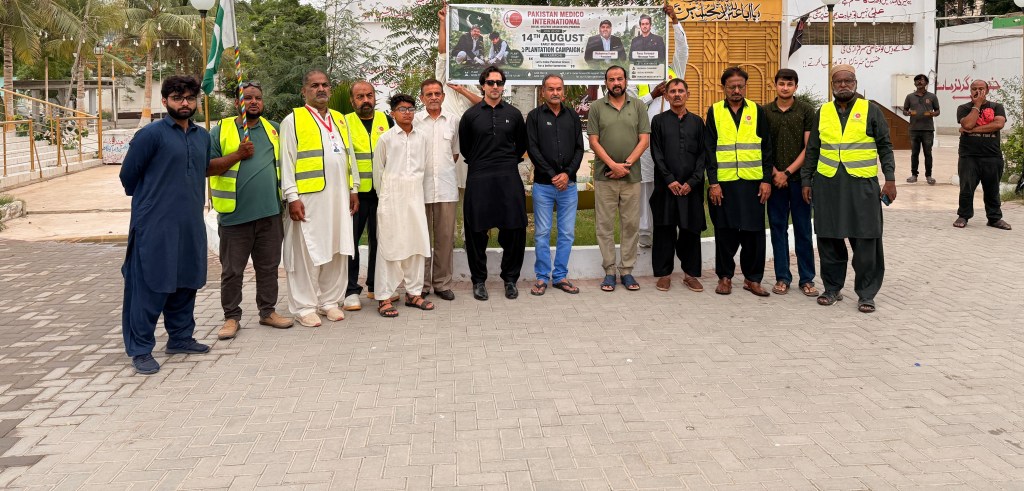
PMISWA’s environmental vision can continue through regular plantation drives, school awareness sessions, community clean-up campaigns, urban greenery programs, climate awareness activities, and partnerships with local communities.
Read More: PMI Organizes Free Medical Camp – Scheme 33
Conclusion
PMISWA’s 14th August plantation campaign in Karachi was a meaningful Independence Day initiative focused on action, awareness, and community responsibility. By planting more than 500 plants and trees in Defence, PECHS, Gulshan, and other areas of Karachi, the organization promoted a powerful message: loving Pakistan also means protecting Pakistan’s environment.
The participation of children, elders, volunteers, and actor Faraz Farooqui made the campaign stronger and more impactful. It showed that environmental protection becomes possible when communities come together with sincerity and purpose.
Karachi needs more greenery, cleaner air, and stronger public awareness. PMISWA’s campaign is a positive step toward that goal. With continued support, regular plantation, and community care, such initiatives can help build a greener, healthier, and better Pakistan for future generations.